Made By A Person. Cleared By A Lawyer.
UGC content production with a vetted creator network, usage rights agreed before the shoot, and disclosure written into the brief. Chicago and Phoenix, producing across the United States.
We Are Not Going To Promise You 10X.
Search for UGC statistics and you will find conversion lifts of 6.7 times, 10 times, and 161%, often on the same page, rarely with a method attached. Nearly all of it is published by companies selling user-generated content software.
Emplifi reported UGC conversion lift, Q1 2026
The same figure a quarter earlier
Swing in a single quarter, which is not how a durable effect behaves
Creator content is worth making because a person recommending something is more persuasive than a brand describing it. That is an old and reliable idea. It does not need a borrowed multiple attached to it, and a page that promises you one is telling you something about itself.
Sources: Emplifi platform data · FTC endorsement guides
What UGC Content Production Covers.

A vetted creator network
People we have worked with, briefed properly, and paid on time. Casting is the part of creator content that quietly decides the result.
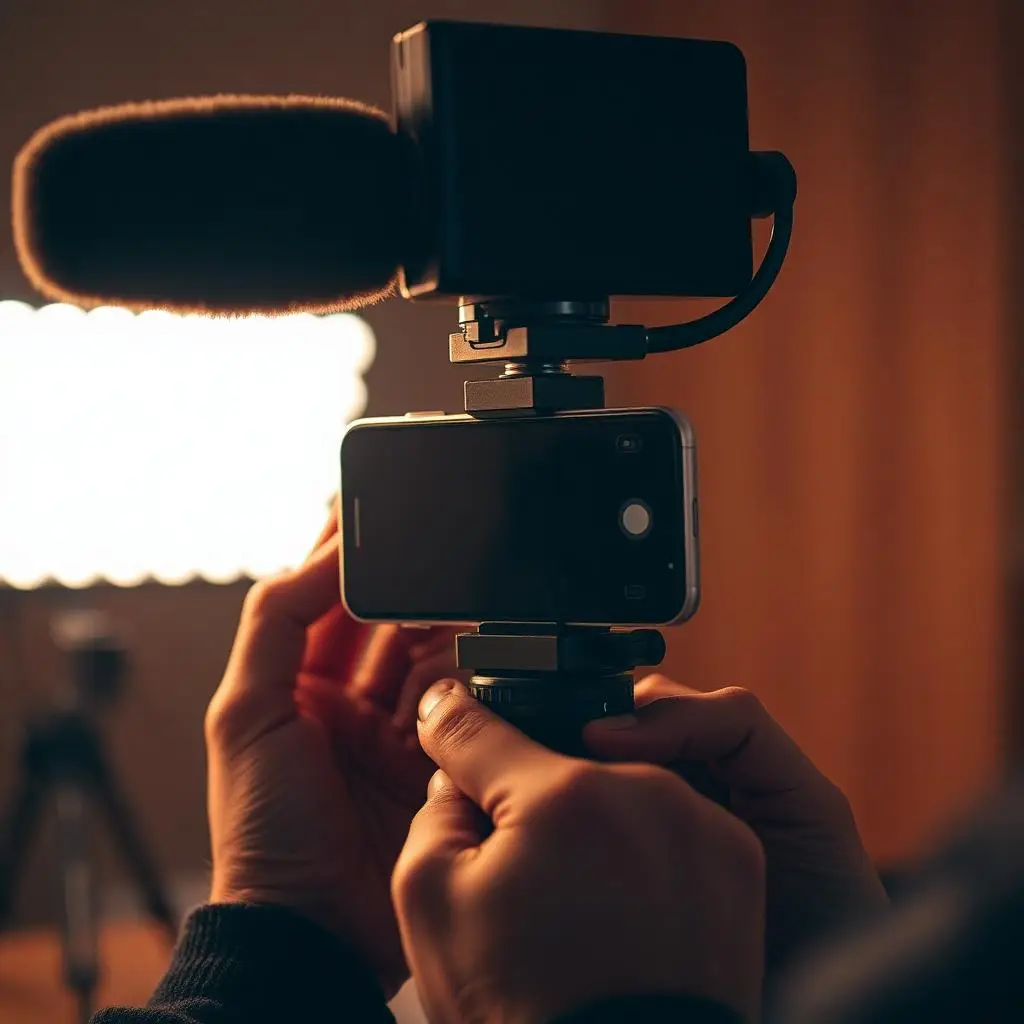
Content that looks made, not staged
Shot on the devices the audience uses, with production doing the work you cannot see: sound, framing, and a script that does not sound like a script.
Rights and disclosure handled
Usage terms agreed before the shoot, and disclosure written into the brief. An ad that does not say it is an ad is a liability, not a bargain.
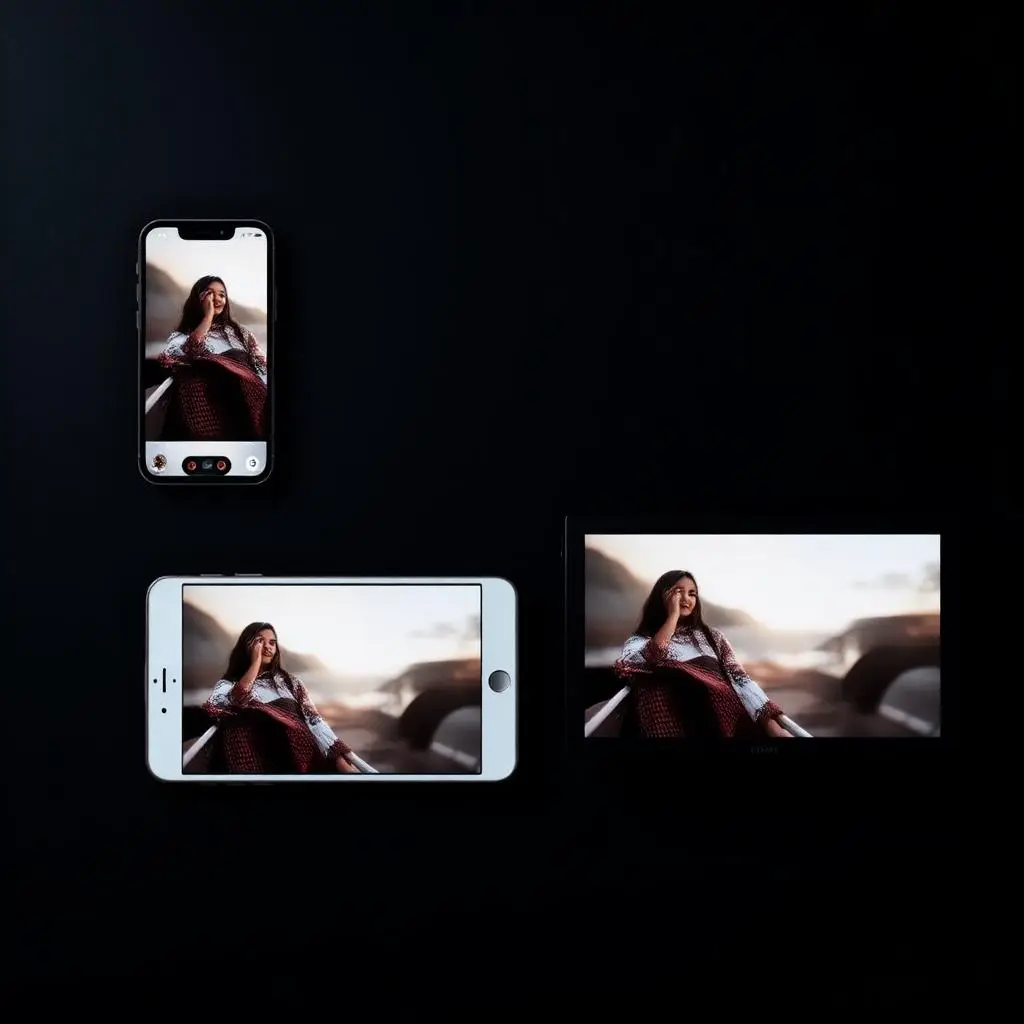
Cut for where it runs
The same creator footage recut for paid social, retail screens, and product pages instead of being posted once and forgotten.
A Creator Platform, Not A Group Chat.
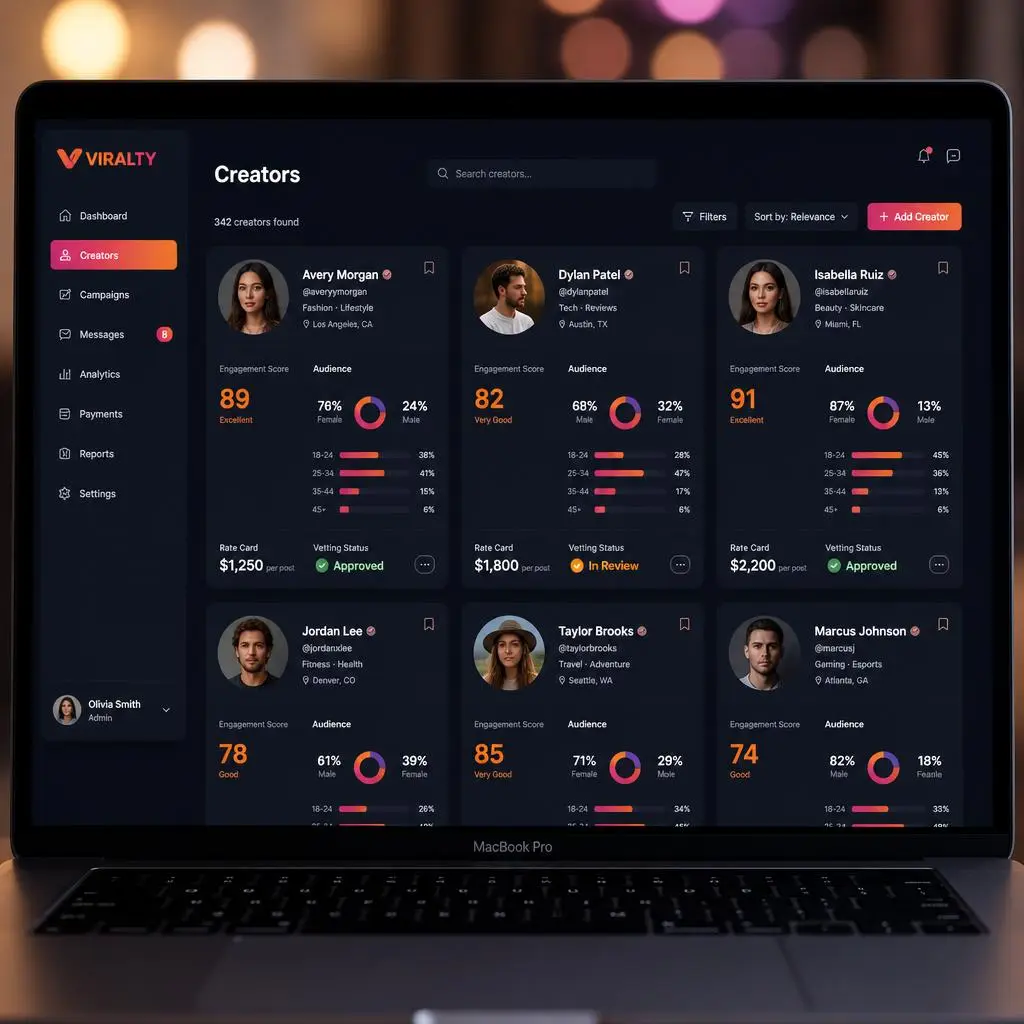
Local casting runs through our own vetting stack. Every creator on a brief has been checked for audience authenticity, brand fit, disclosure history, and a rate that matches the market. What you see is a shortlist, not a favor.
- Audience authenticity and demographic fit
- Engagement scored against category benchmarks
- Rate cards checked against current market
- Disclosure history and past brand safety flags
- Location and format the creator actually delivers on
Rights, Disclosure, And The Things That Go Wrong Later.
The video that performs is the one you will want to run as a paid ad, put on the product page, and loop on a retail screen. Whether you can do any of that was decided before the creator pressed record.
If you want the creator’s audience rather than their craft, that is influencer marketing. If the product sits on a shelf, see CPG retail marketing.
Questions Worth Asking Up Front.
Content made to feel like it came from a customer rather than a brand, produced with the rights, the disclosure, and the sound quality a brand actually needs. In practice a creator makes it, the brand commissions it, and everyone says so.
The honest answer is that most of the numbers you will see come from the platforms selling the software. Emplifi, whose platform measures this across thousands of brand accounts, reported that posts featuring user-generated content drove 6.73 times higher conversions in the first quarter of 2026. Treat that as vendor data rather than a peer-reviewed result. It points in a direction; it does not promise you a multiple.
Yes. The FTC's endorsement guides require a clear disclosure whenever there is a material connection between the brand and the person endorsing it, which includes paying them. We write the disclosure into the brief rather than leaving it to the creator to remember.
Whatever you agree before the shoot, which is why we agree it before the shoot. Usage window, channels, and paid amplification rights get named in the contract rather than negotiated after a video does well.
Influencer marketing buys someone's audience. Creator content buys their craft. Sometimes you want both, and the same person can do both, but they are different line items with different success measures.
We keep a creator network for exactly this reason. Tell us the product, the placements, and the timeline, and we will tell you what is realistic. Call (866) 780-7794.
Send Us The Product. We Will Cast It.
Tell us the product, the placements, and who is meant to believe it. Casting is the part that quietly decides the result.
Pair this with the rest of the system.
Podcast Production
Full-service podcast production for teams that want a professional show without the overhead.Explore Podcast Production
Video Production
Cinematic brand video, series, and social cutdowns built for distribution.Explore Video Production
Performance Video Ads
Video built around the placements a campaign has to fill, not the showreel.Explore Performance Video Ads